
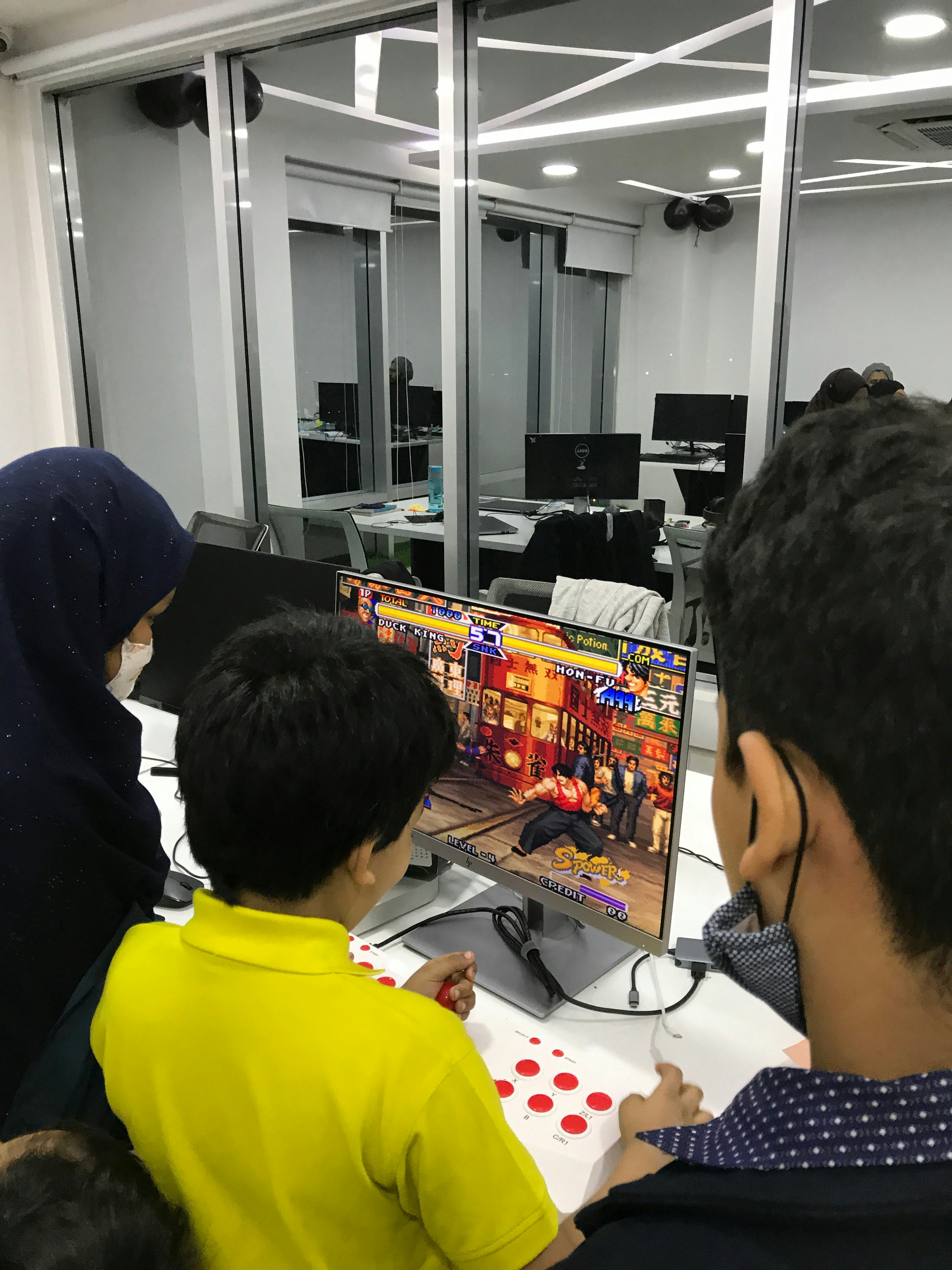
Introduction to Online and Offline Gaming
Gaming has evolved significantly over the years, giving rise to two distinct yet complementary formats: online and offline gaming. Online gaming refers to games that are played over the internet, allowing players to engage with others from around the globe or to participate in virtual environments. The essential characteristics of online gaming include multiplayer interactions, regular updates, and the ability to connect with diverse gaming communities. This format has grown exponentially due to the advancements in internet technology and the widespread availability of high-speed connectivity. Players are drawn to the dynamic nature of online games, where the experience can continually change with updates and new content.
In contrast, offline gaming pertains to games that are played without the necessity of an internet connection. This format allows players to engage with the game independently, focusing purely on the single-player experience or local multiplayer sessions. Offline games typically offer a complete package upon purchase, as there is no need for continuous updates or online maintenance. Many gamers appreciate offline gaming for its reliability and the immersive experience it can provide, free from the interruptions that sometimes accompany online formats.
The significance of both online and offline gaming in today’s industry cannot be overstated. As technology progresses, the lines between these two categories have begun to blur, with many games offering hybrid experiences that incorporate elements from both formats. The growth of gaming has mirrored societal changes, reflecting a broader acceptance of gaming as a form of entertainment and social interaction. Ultimately, understanding the distinctions between online and offline gaming is crucial for players and developers alike, as each format serves unique purposes and fulfills different gaming needs.
Accessibility and Convenience
In the realm of gaming, accessibility and convenience are pivotal factors that significantly influence player engagement and overall satisfaction. Online games and offline games differ markedly in how they make themselves available to players. Online games typically require an active internet connection, which can serve as both a barrier and a facilitator of accessibility. On one hand, they allow access from various devices, such as computers, consoles, and smartphones, at any location with an internet connection. This flexibility increases player engagement as they can participate in gaming sessions virtually anywhere.
Conversely, offline games are more straightforward in terms of access. Once installed on a device, they do not require an ongoing internet connection. This eliminates dependency on external infrastructure, allowing players to enjoy the game at their convenience, regardless of their online connectivity status. However, offline games may have limitations in terms of updates and downloadable content, relying instead on patches that players must manually install.
The installation requirements also vary between online and offline games. Many online games can be played directly through a web browser or require minimal installations, which is convenient for players seeking quick access. In comparison, offline games, while potentially needing more extensive initial installations, offer a complete gaming experience without recurring setup steps once the game is on the device.
In light of these differences, players must weigh the pros and cons of each format based on their preferences for accessibility and convenience. Whether prioritizing the immediate availability of online gaming or the consistent reliability of offline options, understanding these factors is essential for fostering an enjoyable gaming experience.
Social Interaction and Community Building
Online games provide a distinct platform for social interaction and community building that contrasts starkly with the experiences offered by offline games. With the advent of multiplayer modes, players can collaborate, compete, and communicate in real time, thereby creating lasting interpersonal relationships. Unlike offline games, which may limit social engagement to face-to-face interactions, online games enable connections across vast geographical distances, fostering a diverse community.
One notable aspect of online gaming is its ability to offer integrated social media features. Players often share their achievements and experiences on various platforms, facilitating engagement beyond the confines of the game itself. This social media integration not only enhances visibility for the gaming community but also encourages discussions and exchanges among players worldwide, effectively building a sense of belonging even among those who may never meet in person.
Forums and community groups further enrich the online gaming experience by serving as hubs for players to exchange strategies, share thoughts, and form friendships. These online spaces often become an extension of the game, where players can safely discuss their experiences and seek advice from others. This level of community engagement is rare in offline gaming, where interaction is typically constrained to a limited local environment.
The communication features available within online games also play a critical role in community building. In-game chat systems, voice communication, and even dedicated chat applications allow players to strategize and discuss their gameplay in real time. Such interaction cultivates teamwork and collaboration, which can lead to deep-rooted relationships among players. Together, these elements showcase how online games surpass offline games in facilitating social interaction, forming vibrant communities that thrive on shared experiences and collective engagement.
Game Variety and Genres
When exploring the landscape of gaming, both online and offline platforms offer a diverse range of genres and gaming experiences that cater to a wide array of preferences. Offline games typically encompass genres such as role-playing games (RPGs), puzzle games, and adventure games. These titles are often designed with immersive narratives and single-player experiences in mind, appealing particularly to gamers who enjoy in-depth storytelling and character development without the need for an internet connection.
On the other hand, online games frequently emphasize multiplayer experiences and competitive play. Genres like first-person shooters (FPS), massively multiplayer online role-playing games (MMORPGs), and battle royale games dominate this space. The social aspect of online gaming fosters a vibrant community where players can interact, compete, and collaborate with others from around the world. This dynamic environment is especially appealing to those who prefer competition and collaboration.
Furthermore, the rate at which new titles are released varies between online and offline games. Online platforms often see constant updates, seasonal events, and expansions, which can significantly enhance the diversity of gameplay. For instance, live service games provide ongoing content that keeps players engaged over time. Meanwhile, offline games may be released less frequently, with a stronger focus on polished, complete experiences. However, the latter can offer substantial depth and replayability, particularly in titles that feature expansive open worlds or intricate puzzles.
In summary, while both online and offline games provide varying genres and types of gameplay, they cater to different preferences—for example, casual players may lean more toward offline offerings, whereas competitive players often gravitate towards the fast-paced nature of online gaming. Understanding these distinctions can help gamers make informed decisions about their gaming experiences.
Graphics and Performance Quality
When comparing online games and offline games, one of the most significant aspects to consider is the difference in graphics and performance quality. Graphics play a crucial role in creating an immersive gaming experience, and both categories offer distinct advantages based on their inherent operating environments.
Offline games typically benefit from high graphical fidelity, as they can leverage local hardware resources without the constraints of internet connectivity. Game developers can optimize their titles for specific hardware, leading to exceptional detail, rich textures, and improved frame rates. Many offline games are also designed with high-performance graphics engines, allowing for stunning visuals that enhance player engagement.
In contrast, online games are dependent on a more complex architecture, which can sometimes hinder their visual quality. The performance of online games can fluctuate due to various factors, including the player’s internet speed and server stability. High latency or low bandwidth can lead to issues such as lag, reducing frame rates and negatively affecting the overall experience. Consequently, even though some online games offer impressive graphics, the need for constant internet connectivity can detract from their potential performance.
Moreover, advancements in cloud gaming and streaming technologies have started to bridge the gap between offline and online gaming experiences. With these innovations, players can benefit from high-quality graphics in online settings without the need for extreme local computing power. Nonetheless, players remain largely divided on their preferences. While some prioritize the visual intricacies present in offline titles, others relish the dynamism and community aspects of online gaming.
Ultimately, the choice between online and offline games may depend largely on the individual player’s values regarding graphical fidelity and performance stability. Understanding these differences allows players to make informed decisions based on their preferences.
Cost and Monetization Models
The financial dynamics of gaming can significantly influence a player’s experience and preferences. Online games often utilize a variety of monetization models, primarily categorized as free-to-play or pay-to-play, which can greatly impact the overall cost for gamers. Free-to-play games, as the name suggests, do not require an upfront payment, allowing players to access the content at no initial cost. Instead, these games typically incorporate in-game purchases, often referred to as microtransactions, where players can buy cosmetic items, enhancements, or other advantages. This model has gained immense popularity due to its accessibility, enabling a broader audience to engage without financial barriers.
On the other hand, pay-to-play games necessitate an upfront investment, providing users with a complete content package. These games often deliver a more polished, immersive experience right from the start. Although players face the initial cost hurdle, they generally avoid additional expenses that may arise with in-game purchases prevalent in free-to-play titles. The subscription model is yet another approach seen in online gaming, wherein players pay a recurring fee to access exclusive content, communities, or premium features. This model can yield a consistent revenue stream for developers and often includes periodic updates that enhance the gaming experience.
In contrast, offline games typically follow a pay-to-play model as well. A one-time purchase grants players access to the entire game experience, without the ongoing costs associated with online gaming. However, the potential for downloadable content (DLC) has blurred these lines, as developers often release additional paid content to extend the game’s lifespan. Therefore, it is essential for gamers to evaluate not only the initial purchase price of a game but also potential ongoing costs, whether it be from in-game purchases or DLC expansions. Overall, understanding these cost structures and monetization strategies can inform a gamer’s choices between online and offline experiences.
Game Longevity and Updates
The longevity of video games is a critical aspect of the gaming experience that directly influences player engagement and satisfaction. In the realm of online gaming, developers often prioritize regular updates and expansions, ensuring that the content remains fresh and engaging. This continuous influx of new features, challenges, and environments encourages players to revisit the game, fostering a community that thrives on shared experiences. Players often have heightened expectations when it comes to the lifespan of online games, anticipating regular content refreshment that keeps the gameplay dynamic and allows for evolving narratives.
In contrast, offline games present a different scenario regarding longevity. Once an offline game has been released, the likelihood of receiving updates diminishes significantly since these titles are typically complete upon purchase. While many offline games offer a rich and comprehensive experience, they may become outdated as new technologies and gaming trends emerge. Consequently, the player community surrounding these games tends to be limited to initial launch content, unless developers choose to release sequels or remastered versions. Consequently, many players may feel that offline games lack the essential elements for longevity that online games provide.
Additionally, the accessibility of updates in online games allows for a more tailored experience, as developers can listen to player feedback and adapt accordingly. This two-way interaction between developers and players creates a feedback loop that enhances the overall gaming experience, making it more relevant and enjoyable over time. By contrast, offline games may leave players wishing for more content or enhancements after the initial gameplay experience, potentially leading to feelings of dissatisfaction, especially if a game has not aged well.
Cognition and Learning Skills
Both online and offline games have been recognized for their potential to enhance various cognitive skills and learning experiences. However, the mechanisms through which these types of games stimulate cognitive growth diverge significantly. Research indicates that online games often foster skills such as problem-solving and strategic thinking through their dynamic and interactive environments. Players frequently confront complex challenges that require quick decision-making, adaptability, and foresight. This adaptability is essential for developing critical thinking skills, which are increasingly valuable in academic and professional settings.
In contrast, offline games can also contribute to cognitive development but tend to emphasize different aspects. Games like puzzles or board games may enhance memory retention, processing speed, and sequential reasoning. These activities often provide a crucial social component as well, requiring players to interact face-to-face, which can lead to improved communication skills and emotional intelligence. However, the limited variables in offline games may restrict the level of cognitive challenge compared to the rapidly evolving scenarios presented in online formats.
A study published in “Nature” highlights the impact of online gaming on cognitive flexibility and multitasking abilities. Participants who regularly engaged in online games demonstrated superior problem-solving capabilities and faster information processing compared to those who primarily played offline games. Moreover, expert opinions suggest that the immersive experience of online games, often incorporating narratives and character development, enhances engagement, thus leading to better retention of learned concepts.
Lastly, both online and offline games contribute significantly to the development of essential cognitive skills. However, players should consider their personal preferences and learning objectives to select the most suitable gaming format for cognitive enhancement. By understanding the distinct benefits offered by each realm of gaming, individuals can optimize their gameplay to develop vital cognitive abilities effectively.
Conclusion and Future Trends in Gaming
As we’ve explored throughout this blog post, the landscape of gaming is vast and diverse, encompassing both online and offline experiences that cater to different preferences and playstyles. The primary distinction between online and offline games lies in their accessibility and engagement methodologies. While online games benefit from vast multiplayer environments, community interaction, and real-time updates, offline games provide a solitary yet focused experience that appeals to those who prefer deep immersion and narrative-driven play.
Looking forward, the convergence of online and offline gaming is anticipated to shape the future of the industry. Hybrid gaming formats are emerging, merging the best aspects of both worlds. For instance, many offline games are now integrating online features, such as downloadable content and online leaderboards, which allow players to connect with a broader community while enjoying the core offline gameplay. Moreover, augmented reality (AR) and virtual reality (VR) advancements are making it possible to create experiences that blur the lines between these modalities, enhancing interactivity and immersive storytelling.
Moreover, as technology progresses, the potential for improvements in network infrastructure will likely expand the scope of online gaming, making it more accessible to diverse demographics. This may lead to an increase in esports and competitive gaming, where players can engage worldwide. Additionally, subscription services and cloud gaming technologies signify a shift in how games are distributed and consumed, allowing players to enjoy titles without the constraints of hardware limitations.
In conclusion, the future of gaming appears to be leaning towards a more integrated and versatile approach, where players can enjoy seamless transitions between online and offline formats. As the industry evolves, keeping an eye on these trends will be essential for both gamers and developers alike, ensuring the gaming experience continues to grow and adapt in response to changing preferences and technological advancements.